


What is Open Wearables?
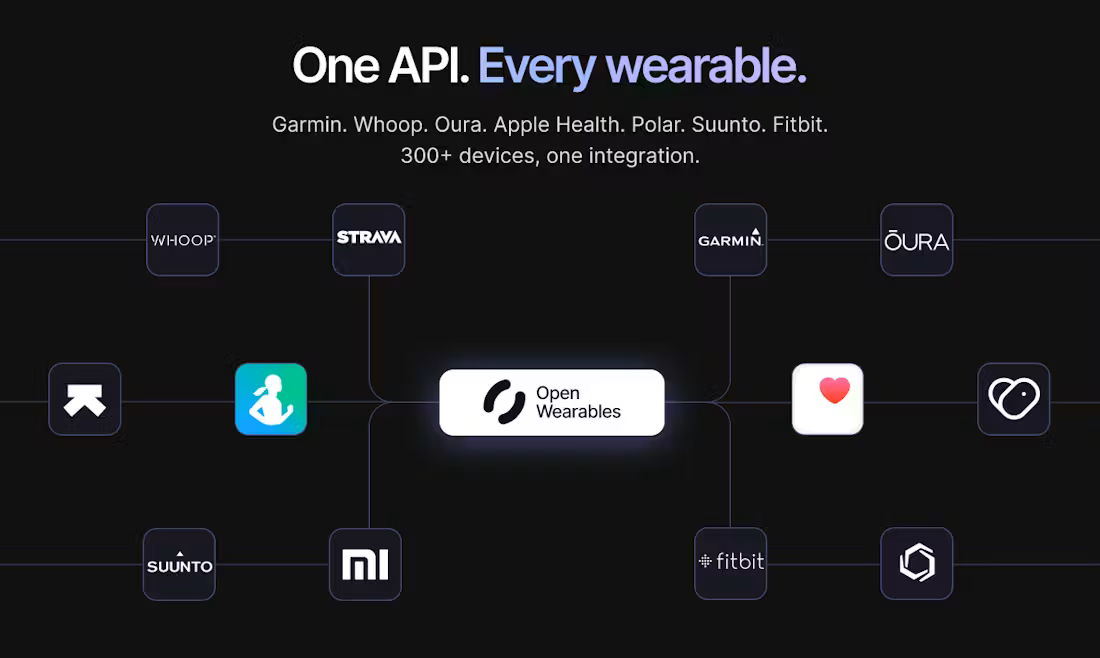
Open Wearables is an open-source platform that gives you a single API to work with data from multiple wearable devices. Instead of building and maintaining separate integrations for Apple Health, Garmin, Whoop and others, you can access everything through a unified, normalized layer.
It’s designed for teams building health or wellness products, but it can also be self-hosted by individuals who want full control over their own wearable data.
Why people use it
Working with wearable data is messy. Every provider has its own API, authentication flow, and data format. Even basic metrics like steps or sleep can be structured differently.
Open Wearables handles that complexity for you. Once connected, you get consistent health data across devices, along with a developer-friendly API and tooling to build on top of it.
What you get
- A unified API that aggregates data from multiple wearable platforms
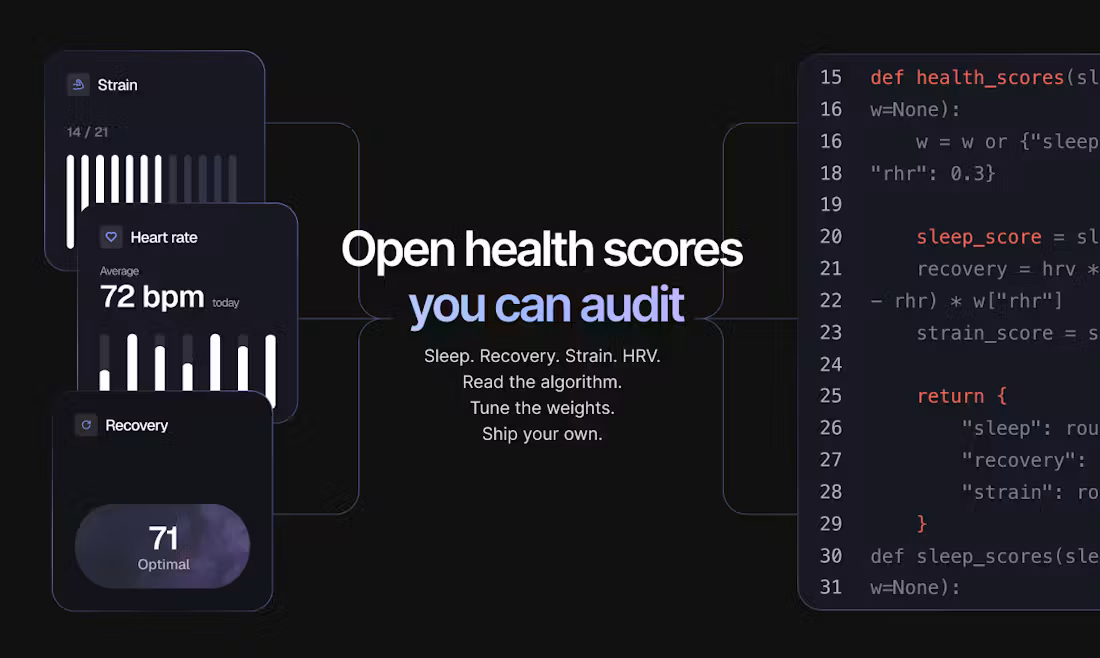
- Normalized health metrics like activity, sleep, heart rate and more
- Built-in developer portal for managing users and API keys
- Webhook support for triggering real-time workflows
- Self-hosted deployment with full control over infrastructure and data
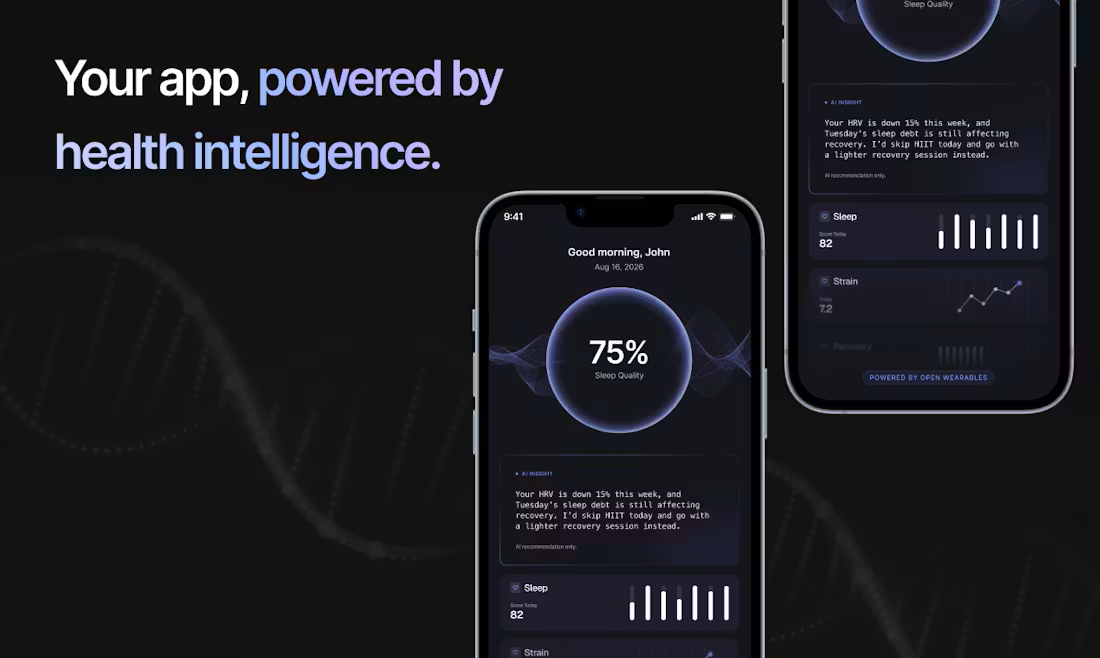
There are also upcoming pieces around AI-based health insights and embeddable components, but the core value today is the data layer and integration simplification.
Open source and control
The project is fully open-source under the MIT license, and designed to run on your own infrastructure. There are no per-user fees or external dependencies required for the core system.
That makes it a good fit for teams that care about data ownership, or need to meet stricter privacy requirements in health-related use cases.
Where it fits
This isn’t a consumer health app. It’s closer to infrastructure for building one. If you’re prototyping a fitness product, aggregating data across devices, or testing health-related ideas, it saves a significant amount of integration work upfront.