


Copperlane
Copperlane is an AI-native loan origination platform designed to automate large parts of the lending workflow that are traditionally slow, manual, and operations-heavy. The product focuses on reducing the time it takes to move from application to approval by using AI agents to handle pricing, borrower guidance, and document verification in real time.
At the center of the platform is an AI agent called Penny, which acts as an operational layer throughout the lending process. Instead of requiring borrowers and loan officers to manually coordinate every step, the system helps automate repetitive tasks that usually create delays during underwriting and approval workflows.
Built around speed and operational efficiency
Loan processing is still heavily dependent on manual review in many organizations. Collecting documents, validating information, adjusting rates, and communicating with borrowers often involves multiple disconnected systems and significant back-and-forth.
Copperlane is built to compress that workflow into a much faster and more automated process. The platform aims to reduce operational bottlenecks so lenders can process applications more efficiently while borrowers move through the system with less friction.
The emphasis is not just on automation for its own sake, but on reducing the amount of time and coordination normally required to complete a loan application.
AI as an operational layer for lending
One of the more interesting aspects of Copperlane is that the AI system is positioned less like a chatbot and more like an embedded operational participant inside the lending workflow itself.
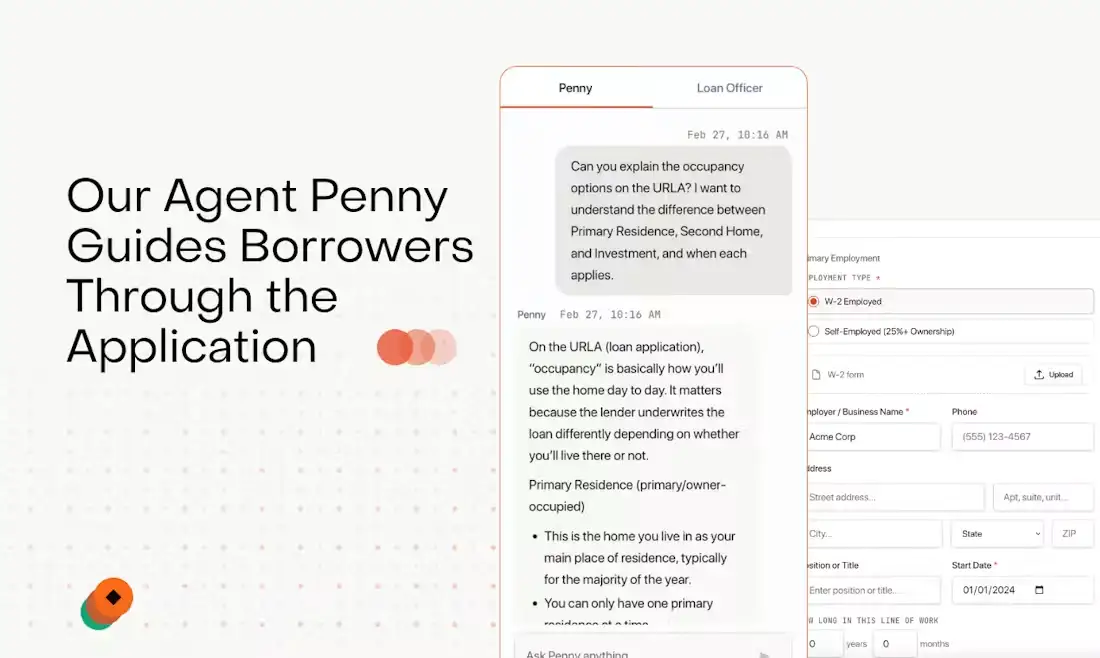
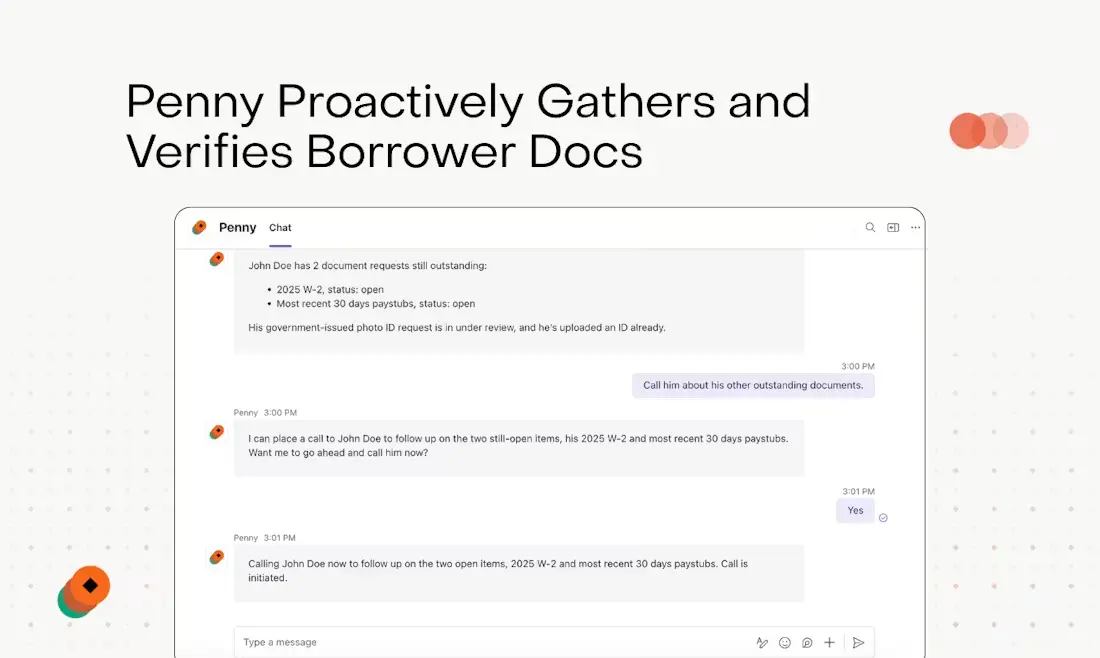
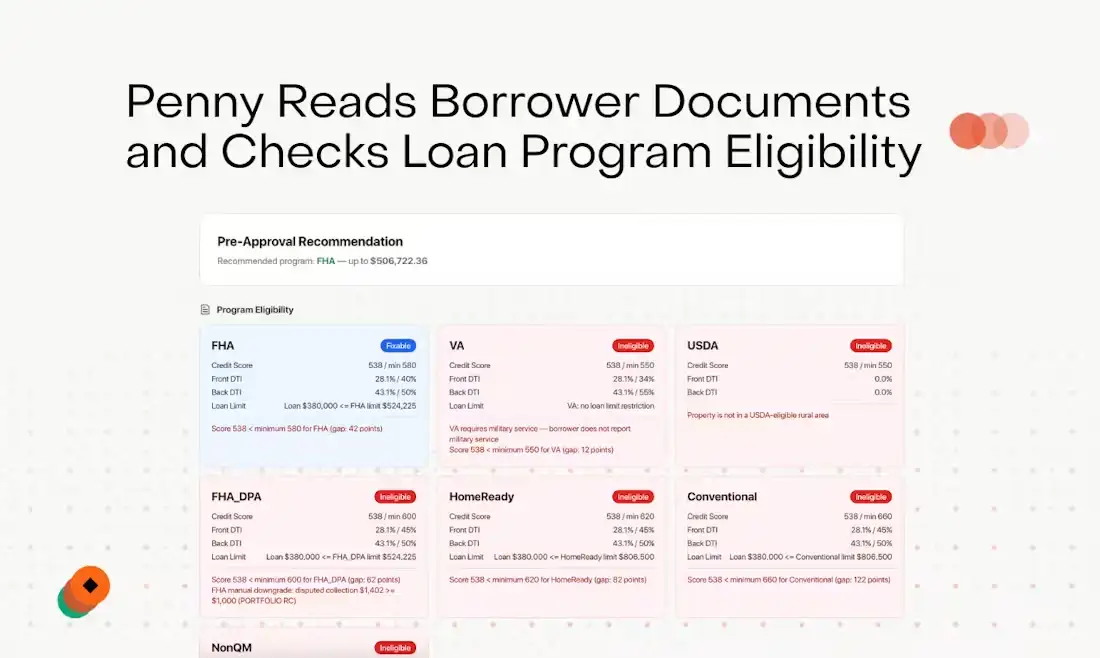
Penny can help optimize rate pricing, verify documents, and guide borrowers through application steps without requiring constant manual oversight. That allows lenders to automate parts of the process that are normally repetitive while still keeping the workflow responsive and adaptive.
The broader direction of the product reflects a larger shift happening in financial infrastructure, where AI systems are increasingly being used to streamline operational workflows that historically depended on human coordination and administrative review.