


BayesLab
BayesLab is an AI-powered analysis platform built for people who regularly work with data but don’t necessarily consider themselves analysts. Instead of focusing purely on dashboards or spreadsheet workflows, the platform tries to automate the full journey from raw data to polished insights and presentation-ready output.
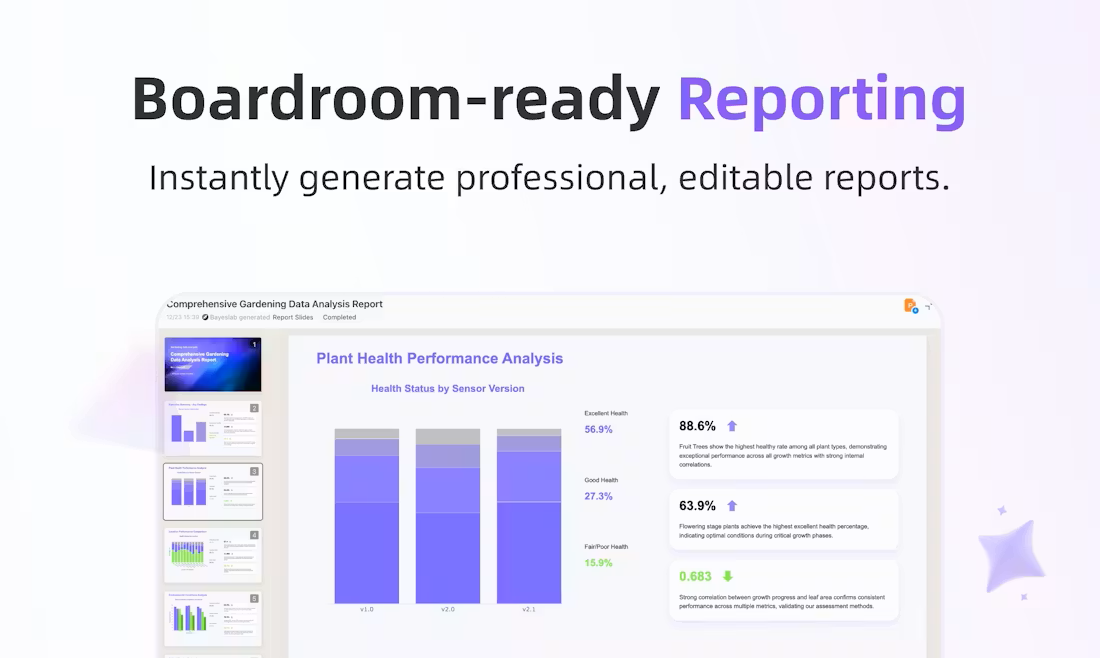
Users can upload datasets, ask questions in natural language, and let the system handle the heavy analytical work behind the scenes. That includes cleaning messy data, identifying patterns, generating charts, summarizing findings, and turning the results into structured slides and narratives that are ready to share with a team, client, or stakeholder.
More than just charts
A lot of analytics products stop at visualization. BayesLab is clearly trying to go further by handling interpretation and communication as part of the same workflow.
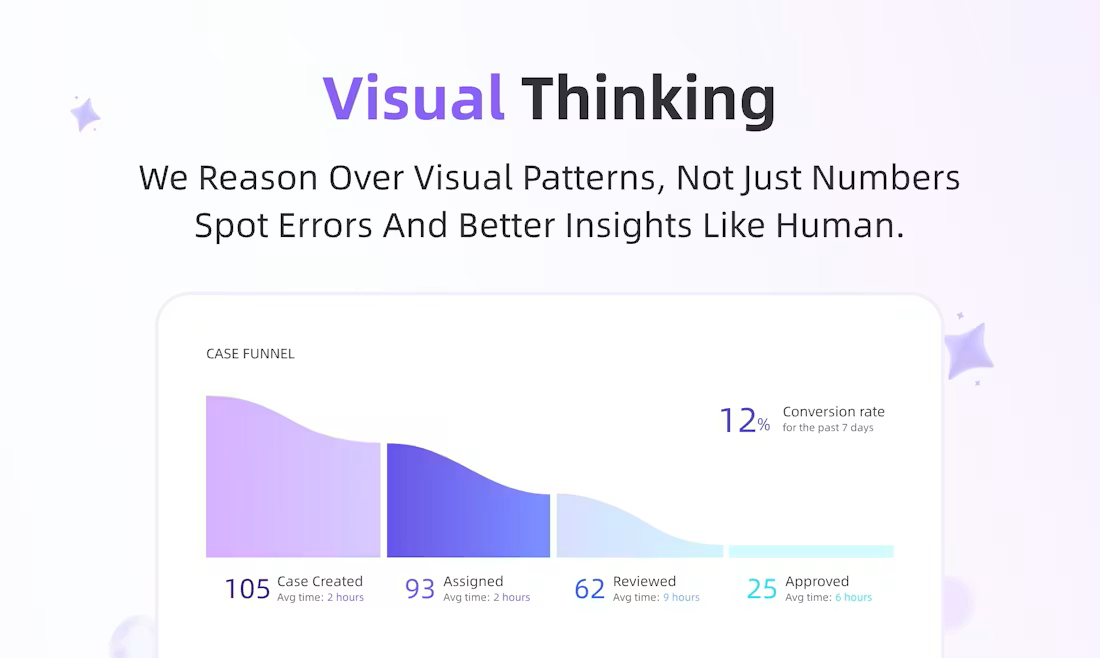
The platform behaves less like a traditional BI tool and more like an autonomous analyst that can:
-
organize datasets
-
perform analysis
-
identify trends
-
generate visual explanations
-
build storytelling structure around the results
The emphasis on “premium slides” is important because many business workflows don’t end with discovering insights. They end with explaining those insights clearly to other people.
BayesLab is designed around that reality.
Built for repeatable workflows
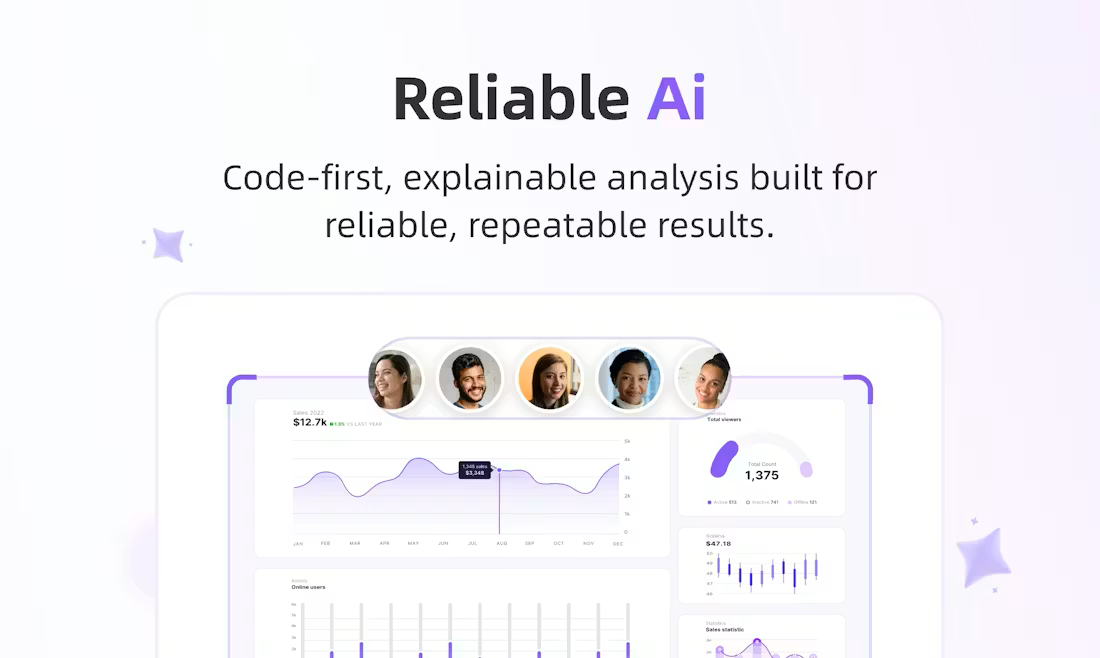
One of the more practical aspects of the product is the ability to rerun analyses on updated datasets without rebuilding the entire process manually each time.
In many organizations, recurring reporting becomes repetitive busywork. Teams often spend hours every week regenerating similar charts, updating slide decks, and rewriting summaries for new data snapshots.
BayesLab tries to turn those workflows into reusable systems. Once the structure exists, users can update the data and regenerate the analysis flow with much less manual effort.
That makes the platform especially useful for:
-
recurring business reports
-
startup metrics reviews
-
investor updates
-
consulting deliverables
-
operational analytics
-
internal presentations
where the format stays relatively consistent while the underlying data changes over time.
Who it’s for
The product is clearly aimed at non-specialists who still need high-quality analytical output. Founders, operators, consultants, marketers, and business teams often sit in an awkward middle ground where they need data-driven insights but don’t want to spend their time building SQL queries or configuring enterprise BI dashboards.
BayesLab is positioned to reduce that gap by making advanced analysis workflows feel more conversational and outcome-focused.
Rather than expecting users to think like analysts, the platform lets them think more like decision-makers: asking questions, exploring trends, and focusing on conclusions instead of tooling complexity.
The broader trend
BayesLab fits into a growing category of AI products that are shifting software from “tools people operate manually” toward “systems that complete knowledge work autonomously.”
Instead of simply helping users analyze data faster, the platform is trying to compress the entire insight-production workflow into something that can happen within minutes, from raw spreadsheet to finished narrative.
That’s a meaningful shift for teams that spend more time preparing reports than actually using the information inside them.